Owl Finch Ownership: Habitat, Diet, and Health Essentials
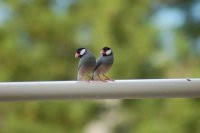
The owl finch (Taeniopygia bichenovii), a small grass finch native to Australia, is gaining popularity among bird enthusiasts for its distinctive owl-like facial markings and sociable nature. Unlike more colorful finches, its charm lies in its striking black-and-white patterns and gentle demeanor, making it a suitable choice for first-time bird owners.
Belonging to the Estrildidae family, which includes over 130 species such as the Gouldian finch and zebra finch, the owl finch is naturally found in Australia's woodlands, grasslands, and scrublands. In the wild, these finches live in flocks, a social structure that carries over into captivity.
Why Social Housing Matters
Owl finches are highly social and thrive when kept in groups. A single bird is not recommended, as they prefer the company of their own kind over human interaction. For those with limited space, a pair can be housed in a cage at least 2 to 3 feet long, but larger groups require an aviary or flight cage to accommodate their active flying needs.
These finches are playful and curious, often entertaining owners with their antics. While they may not enjoy being handled, they are vocal throughout the day, with males producing a song—though less frequently than some other finch species. Their sounds are generally pleasant rather than harsh, though a group can become noisy.
Housing and Environmental Needs
Given their active nature, owl finches need a spacious enclosure that allows for horizontal flight. Tall, narrow cages are unsuitable; instead, opt for a long flight cage. Provide multiple perches, a nesting basket or box filled with dry grass or shredded paper, and a few toys or ladders. Avoid overcrowding the cage with accessories, as this limits flying space.
Place the enclosure in a warm room, away from direct sunlight and drafts, maintaining a minimum temperature of 60°F. This is crucial for their health and well-being.
Diet and Nutrition
A balanced diet is essential for owl finches. High-quality finch seed and pellet food form the base, supplemented with fresh greens such as spinach, broccoli tops, and carrot tops. Protein sources like mealworms or grubs are also beneficial. A cuttlebone ensures adequate calcium intake, and a hanging water bottle should be refilled daily with fresh water.
Common Health Concerns
Like many finches, owl finches are susceptible to air-sac mite infections, a parasitic condition affecting the respiratory tract that requires urgent veterinary care. Scaly face, another mite-related disease, also needs treatment. Egg binding—a condition where a female cannot pass an egg—is a significant risk, particularly in smaller birds. Regular observation and prompt veterinary attention are key to managing these issues.
Sexing owl finches can be challenging, as males and females look nearly identical. Subtle differences in band width and chest brightness may help, but the most reliable indicator is the male's song.
Acquiring an Owl Finch
Owl finches are available at pet stores, bird specialty shops, and from breeders. When purchasing, it's important to choose a knowledgeable breeder who raises birds humanely. Adoption from bird rescues or local shelters is also an option, offering a chance to provide a home to a bird in need.
For those considering an owl finch, understanding their social, spatial, and dietary needs is essential. With proper care, these charming birds can make a delightful addition to a bird-loving household.