Red Lory Care: What to Know Before Bringing Home This Vibrant Parrot
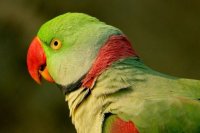
The Red Lory (Eos bornea), also known as the Moluccan lory, is a small parrot with a vibrant red plumage and an equally vivid personality. Native to Indonesia's Maluku Islands, this bird is a popular choice among avian enthusiasts, yet its care requirements are far from ordinary. Prospective owners should be prepared for a significant commitment to meet the bird's physical and emotional needs.
In the wild, Red Lories are found in the forests of the Maluku Islands, where they feed on flower nectar. Their brush-tipped tongues are specially adapted for this diet, a trait shared with other lories and lorikeets. In captivity, they are known for their playful and outgoing nature, often entertaining their human companions with clownish antics and a seemingly endless curiosity.
Personality and Vocalization
Red Lories are intelligent, social birds that thrive on interaction. They are known to be affectionate and enjoy human contact, especially when hand-raised from a young age. However, they can also be mischievous and may occasionally nip, so supervision is recommended when they are out of their cage. These birds are highly vocal, producing a range of sounds from chattering to screeching, and they can learn to mimic words. Their loud nature makes them better suited for owners who appreciate a talkative pet.
While they can be friendly, Red Lories may do best as the only bird in the household, as they require substantial daily attention and can become territorial. Their intelligence means they need mental stimulation, and they are always seeking their next adventure, so a safe, bird-proofed environment is essential.
Housing and Enrichment
Given their high activity levels, Red Lories need a spacious enclosure. A cage at least 24 inches deep, 36 inches wide, and 36 inches tall is recommended to allow for flight and climbing. The cage should be easy to clean, as these birds have a high-liquid diet that results in copious, sometimes projectile, droppings. Placing plastic sheeting under the cage can help manage the mess.
Inside the cage, a variety of perches in different shapes and sizes should be provided, but they should not be placed above food or water dishes to avoid contamination. Ropes, chains, and sturdy toys are essential for physical and mental exercise. Toys that rattle or ring are particularly favored, and rotating them regularly helps maintain the bird's interest.
Daily baths are also a must for Red Lories, either through misting or a shallow water dish, which doubles as playtime.
Diet and Health Considerations
The Red Lory's diet is unique among parrots. In the wild, they consume nectar from flowers, and in captivity, they require a commercial nectar substitute that is mixed fresh at least twice daily. Uneaten nectar and fresh fruits should be discarded after a few hours to prevent spoilage. Fresh water should always be available.
This nectar-based diet, combined with a short digestive tract, leads to very wet droppings, a fact owners must accept. Some owners have successfully trained their birds to defecate on command in a designated spot, which can help manage the mess.
Health-wise, Red Lories are prone to hemochromatosis, or iron storage disease, a potentially fatal metabolic disorder. A diet high in iron, such as one based on seeds, is inappropriate for them. Regular check-ups with an avian veterinarian are crucial to monitor for nutritional deficiencies and other health issues.
Acquisition and Adoption
Red Lories are readily available in pet stores and from breeders, but it is essential to research and choose a reputable source that raises healthy birds in humane conditions. Adoption is another option; bird rescue groups and local animal shelters may have Red Lories in need of a home.
For those considering a Red Lory, it is vital to understand that this is not a low-maintenance pet. Their specialized diet, need for spacious housing, and demand for social interaction make them better suited for experienced bird owners. However, for those willing to meet these challenges, the Red Lory can be a rewarding and entertaining companion.