Cockatiel Ownership: What to Know Before Bringing One Home
Prospective bird owners often weigh the appeal of a cockatiel—a small parrot known for its friendly demeanor and distinctive crest—against the responsibilities of daily care. These birds, also called quarrions or weiros, are native to Australia's Outback, where they were first documented in 1770. They are the smallest members of the cockatoo family and have been popular pets since the 1900s, partly because they breed easily in captivity and are no longer exported from their home country.
While cockatiels are quieter than many other parrots, they are not silent. They can learn to whistle and mimic household sounds, such as alarm clocks or phones, and some may even talk. Their vocalizations are generally less piercing than those of larger parrots, making them suitable for apartment living, but they still require regular interaction and mental stimulation.
Personality and Social Needs
Cockatiels are generally gentle and affectionate, often enjoying time near their owners. They are not typically cuddly but will happily perch on a shoulder or nearby stand. However, an untamed bird may nip, so early socialization is key. Owners are advised to reward good behavior and ignore undesirable actions, as scolding can make the bird timid. These intelligent birds can learn tricks like waving or ringing a bell, and they may entertain themselves with a mirror for extended periods.
Because they are social creatures, a single cockatiel needs significant daily interaction. If an owner cannot provide that, a pair of birds can keep each other company, though they may bond more with each other than with people. This trade-off is important to consider when deciding on the number of birds to keep.
Housing and Daily Care
Cockatiels are active and require a spacious cage—at least 20 inches square and 26 inches tall—with bar spacing no wider than 3/4 inch to prevent injury. Horizontal bars facilitate climbing, and multiple perches at different levels allow for movement. The cage should be placed away from drafty areas and the kitchen, as fumes from heated Teflon cookware can be lethal to birds.
These birds are naturally messy and produce a powdery dust from their feathers, so weekly bathing or spraying and regular cage cleaning are necessary. Wing and nail clipping should be done twice a year, either by an experienced owner or a veterinarian, to avoid the risk of severe bleeding.
Diet and Nutrition
A varied diet is crucial for cockatiel health. Seeds should make up no more than 30% of their food, as they are high in fat. A nutritionally balanced pelleted diet is often recommended, supplemented with fresh vegetables, fruits, and occasional proteins like hard-boiled eggs or legumes. Owners should remove uneaten fresh food after an hour to prevent spoilage. Foods toxic to birds include avocado, chocolate, coffee, and salt.
Nutritional deficiency is the most common health problem in cockatiels, often due to a seed-only diet. Fatty liver disease can also occur from high-fat, high-carbohydrate diets combined with insufficient exercise. Regular veterinary check-ups are important, as birds are susceptible to respiratory infections and psittacosis, a bacterial disease that requires prompt treatment.
Adoption and Purchase Considerations
When acquiring a cockatiel, it is best to choose a hand-fed baby or a young bird that has been handled regularly. Prices range from $100 to $400, depending on color and breeder. Pet stores may offer birds with unknown histories, which could be older and harder to tame. Prospective owners should look for a bird that is alert, with smooth feathers, clean nostrils, and clear eyes, and avoid those that appear puffed up or lethargic, as these can be signs of illness.
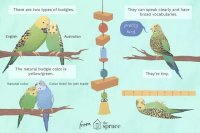
Online resources such as Adopt a Pet, Petfinder, and bird breeders can help locate cockatiels. For those interested in similar species, budgerigars, lovebirds, and Pacific parrotlets are alternatives worth exploring.