Budgie Ownership: Key Facts on Diet, Lifespan, and Talking Ability
Budgerigars, commonly known as budgies, are among the most popular pet birds worldwide, yet many owners are unaware of key facts about their care, biology, and behavior. These small parrots, often mistakenly called parakeets, have specific dietary and environmental needs that directly impact their health and longevity. Understanding these essentials can make the difference between a thriving companion and one facing preventable health issues.
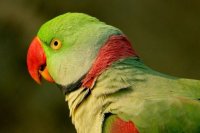
While the term "parakeet" is frequently used interchangeably with "budgie," the classification is more nuanced. All budgies are parakeets, but the parakeet family includes a wide range of species, such as the Indian ringneck parakeet, which can grow up to 16 inches long—more than double the size of a typical budgie. This distinction is more than academic; it affects care requirements, space needs, and social expectations for owners.
Two Distinct Types of Budgies
Most people are unaware that there are two separate types of budgies: the traditional Australian budgerigar and the English budgie, which was selectively bred in the United Kingdom for show and pet purposes. English budgies are generally 1 to 2 inches longer than their Australian counterparts, with larger heads and fluffier facial feathers. These physical differences, while subtle to the untrained eye, are significant for breeders and enthusiasts.
In terms of size, budgies are among the smallest true parrot species, though the parrotlet holds the title for the smallest. Captive budgies typically measure between 7 and 8 inches from beak to tail tip, while wild budgies in their native Australian habitat are even smaller. This compact size makes them suitable for apartment living, but it also means they require careful attention to their environment to prevent accidents.
Diet and Nutrition: Beyond Seeds
A common misconception is that a seed-only diet is sufficient for budgies. Veterinarians, however, warn that such a diet can lead to health problems. A balanced budgie diet should consist primarily of high-quality pellets, supplemented with fresh vegetables, leafy greens, and small amounts of fruit. Seeds can be offered as a treat but should not form the dietary base. Owners must also avoid harmful foods, including sugary or salty snacks, caffeine, chocolate, avocado, and alcohol.
Proper nutrition is directly linked to the bird's lifespan. With good care, a budgie can live between 7 and 15 years, though genetics play a significant role. Obtaining a budgie from a reputable breeder who can provide information about the parents' health and longevity is advisable. Regular veterinary check-ups, a clean cage, and mental stimulation through toys, cuttlebones, and daily interaction are also critical for a long, healthy life.
Talking Ability and Natural Colors
Budgies have a notable capacity for learning human speech, often with greater clarity and larger vocabularies than larger parrots like macaws or cockatoos. While no owner can guarantee a talking bird, budgies frequently pick up words and phrases, sometimes using them in context. Their small, gravelly voices are distinctive, but their aptitude makes them a popular choice for those new to bird ownership.
Regarding appearance, the only natural color of wild budgies is the yellow/green variety. The blue, white, and other color morphs seen in pet shops are the result of selective breeding for the pet trade. These color mutations do not affect the bird's health or temperament, but they are a reminder that domestic budgies are far removed from their wild ancestors.
For current and prospective budgie owners, the takeaway is clear: these birds require more than a cage and seeds. A commitment to a varied diet, regular veterinary care, and environmental enrichment is essential. With proper attention, budgies can be rewarding companions for over a decade, making the effort worthwhile.