Zebra Finch Breeding: What Owners Should Know Before Pairing
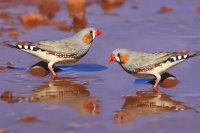
Zebra finches are the most popular pet finch species, known for their lively songs and social nature. But breeding them is not as simple as putting a male and female together. Owners must consider health, nutrition, and housing to ensure a successful and ethical breeding process.
Before introducing a pair, experts recommend that both birds be at least one year old and free from physical abnormalities. A veterinary check-up is advised to confirm they are in good health and to discuss the realities of breeding. This step is crucial because irresponsible breeding can contribute to the number of homeless birds in shelters and rescues.
Nutrition and Diet for Breeding Pairs
A high-quality finch seed and pellet mix forms the staple diet, but breeding birds need more. Supplement their meals with vegetables, fruits, eggs, and other bird-safe fresh foods. Sprouted seeds are particularly nutritious and beneficial for the breeding pair. Organic produce is preferable, as pesticides can harm a bird's delicate system. Additionally, an avian calcium supplement is essential for the hen during egg production.
Proper nutrition not only supports the parents' health but also influences the development of the chicks. Protein-rich foods, such as eggs, are especially important during the breeding season to aid in healthy chick growth.
Housing and Nesting Requirements
Zebra finches are not typically handled by humans, so their enclosure is their primary space for exercise. A large flight cage is recommended, with a minimum size of 30 inches long, 18 inches high, and 18 inches wide, and bar spacing of half an inch or less. For optimal well-being, provide the largest cage you can accommodate.
For nesting, a small woven nest designed for small birds or a wooden nest box of at least 8 cubic inches works well. Line the nest with shredded paper that is free of ink or dye, or use other bird-safe nesting materials. The nest should be placed in a quiet area to minimize stress.
Egg Laying and Incubation
A female zebra finch can lay up to eight eggs in a single clutch, with the average being three to six. She typically lays one egg per day until the clutch is complete, then begins incubation. Eggs hatch within 12 to 15 days after incubation starts. If an egg has not hatched after 20 days, it is likely infertile. During this period, it is important to minimize noise and activity around the cage, as stress can cause the hen to neglect her eggs.
Hatchling Care and Weaning
Zebra finch parents are capable of raising their young without human intervention, unlike some parrot species that require hand-feeding for socialization. Continue providing the parents with a quality diet, including protein-rich foods like eggs, to support the chicks' development. The babies are usually weaned between 21 and 28 days old, at which point the parents may chase them out of the nest to encourage independence. Chicks acquire their adult plumage at five to six weeks, and this is the time to move them to their own cage.
Breeding zebra finches can be a rewarding experience, but it requires commitment. Prospective breeders should ensure they have the time, resources, and homes for any offspring before starting the process.