Diamond Dove Ownership: What to Know Before Bringing One Home
Diamond doves, one of Australia's smallest pigeon species, have gained popularity among pet owners for their gentle nature and soft cooing. Native to arid regions near water sources, these birds are often seen foraging in pairs on the ground, feeding on seeds and ants. Their quiet demeanor and low-maintenance requirements make them an appealing choice for those seeking a less demanding avian companion.
Belonging to the Columbidae family, which includes pigeons, diamond doves are distinguished by their gray bodies and wings speckled with white spots, resembling diamonds—hence their name. Selective breeding has also produced white and silver varieties, adding to their visual appeal.
Temperament and Social Needs
Unlike many parrots, diamond doves are not biters, but they are also not birds that enjoy being handled. Their fragile build means they are better admired from a distance than cuddled. They are social creatures, however, and thrive when kept with another dove, as they typically prefer the company of their own kind over human interaction, unless hand-fed from a young age.
Their vocalizations are limited to soft coos, which many find soothing. They do not scream or mimic sounds, making them ideal for apartment dwellers or those who prefer a quiet environment.
Housing and Environment
Caring for diamond doves requires a different approach than parrot care. These birds spend most of their time on the ground or flying horizontally, so a cage with more length than height is essential. Unlike parrots, they do not climb, so vertical bars are not a priority. Instead, solid floors are necessary to allow them to waddle comfortably, and branches should be provided for perching. A nest is also recommended for rest.
For those with space, a garden aviary can offer a safe, enclosed area for flight, provided it is secure from predators and drafts.
Health and Nutrition
Diamond doves are generally hardy, but they are susceptible to red mites and respiratory conditions such as canker and pneumonia. Preventing drafts and maintaining a clean environment are key to minimizing health risks.
Their diet differs from parrots in that they do not crack seeds with their beaks; instead, they require grit to aid digestion. A base of dove or pigeon seed mix should be supplemented with fresh greens, soft fruits, and occasionally a bit of hard-boiled egg for protein.
Exercise is vital for all birds, and diamond doves are no exception. They need opportunities to fly safely, even if only for a few hours a week. In the absence of a dedicated flight zone, a long cage can provide some space for short flights.
Acquisition and Cost
Diamond doves are readily available at pet stores, bird-specific retailers, and through breeders and rescues. Prices typically range from $75 to $125 per bird, making them an affordable option for many bird enthusiasts.
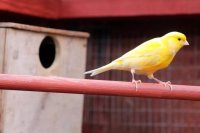
For those interested in similar species, the ring-necked dove and canary are worth exploring, though each has its own care requirements.