Mynah Birds as Pets: What to Know Before You Buy
Mynah birds, with their striking appearance and remarkable ability to mimic human speech, have long captured the attention of bird enthusiasts. These tropical birds, belonging to the starling family (Sturnidae), are native to Africa, India, Southeast Asia, and Indonesia, but have been introduced to many parts of the world. While they are known for their intelligence and sociability, owning one requires a commitment to specific care, including a controlled diet and ample space.
The mynah's history as a pet dates back to ancient Greece, where it was considered an aristocratic companion. The name "mynah" derives from the Hindu word maina and the Sanskrit madana, meaning "delightful and fun-loving." In Indian literature, the bird is referred to by various names, including kalahapriya (fond of arguments), chitranetra (picturesque eyes), peetanetra (yellow eyes), and peetapaad (yellow legs).
Among the species kept as pets, the hill mynah is the most popular, especially among Western owners, due to its superior talking ability. The common mynah, on the other hand, is often considered a pest and is one of the world's most invasive bird species. Introduced to non-native habitats to control insects, it succeeded as a bug killer but often displaced native birds and depleted their food sources. A third variety, the Bali mynah, is critically endangered, with fewer than 100 individuals remaining in the wild.
Temperament and Social Needs
Mynah birds are lively and outgoing, adapting well to cage life and breeding in captivity. Hand-raised birds tend to be more socialized with humans and make better pets. They are easy to tame as young birds and can be trained to talk. However, they are not fond of cuddling or learning tricks. Early exposure to different people and situations—such as car trips, vet visits, and various rooms in the house—helps them adapt. They bond closely with the person who provides the most attention, including feeding, cleaning, and speech training. It's important to note that mynahs may attack smaller birds, so they should be housed separately from other species.
Their vocalizations go beyond simple mimicry; they produce a wide range of sounds, including whistles, screeches, and human-like noises. Both hill and common mynahs can learn up to 100 words, with repetition and patience being key to teaching them.
Physical Characteristics and Care
The hill mynah has a black body, an orange-reddish bill, and yellow feet and legs. The common mynah is dark brown with a black head and throat, a yellow beak, and yellow feet. The rare Bali mynah is white with black wingtips and tail, blue eye patches, and a yellow bill. Both sexes look identical, making gender determination difficult without genetic testing or observing egg-laying.
Mynahs are active birds that need a spacious cage—at least 4 feet wide, 2 feet high, and 2 feet deep for a single bird. The cage should have multiple perches of varying heights, widths, and textures, preferably natural ones. A nest box is recommended for sleeping, and the cage should be kept away from drafts, smoke, and strong odors, such as those from the kitchen. Mynahs enjoy bathing, so provide a dish with a couple of inches of warm water for splashing, or mist them with a spray bottle. Avoid showering them directly, as the spray may be too strong.
Diet and Health Considerations
Mynahs are prone to liver problems and hemochromatosis, or iron storage disease, which is linked to high dietary iron intake. Therefore, their diet must be carefully managed. In captivity, a softbill pellet mix with 18% protein, 8% fat, and very low iron should make up about 50% of their diet. The rest can include ripe fruits like banana, apple, dates, grapes, peaches, mango, papaya, orange, pineapple, pear, plum, and watermelon. However, avoid too many bananas due to sugar content, and never feed dried fruits like raisins, which are high in iron. Seeds from fruits should be removed as they may be toxic, and green vegetables high in iron—such as peas, green beans, sweet potatoes, and broccoli—should be avoided. Mealworms, crickets, or waxworms can supplement the diet, and for breeding pairs, mealworms should constitute at least 5% of the diet. A general guideline is to offer 1/4 cup of pellets and 1/4 cup of fruits and vegetables daily, adjusting as needed and removing uneaten food. Fresh, distilled, or filtered water should always be available.
Exercise and Adoption
Daily exercise is essential; mynahs should be let out of their cage for at least an hour each day, with windows and doors closed, ceiling fans off, and other pets removed. They enjoy playing with toys like mirrors, bells, and bottle caps, but avoid rope toys that can entangle their tongue or toenails.
Finding a mynah bird can be challenging. Hill mynahs are in high demand, and most are purchased from breeders, with prices ranging from $500 to $1,500. Rescues and adoption organizations, such as Adopt a Pet, Softbills for Sale, and Bird Breeders, are potential sources. When selecting a bird, look for clear, bright eyes; clean, smooth feathers; a good appetite; and a curious, active demeanor. Avoid birds with nasal or oral discharge, prolonged fluffed feathers, or those sitting at the bottom of the cage. After purchase, a veterinary examination is recommended.
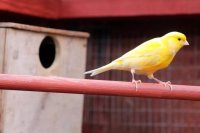
For those interested in similar species, profiles on the Indian Ringneck Parakeet, Bourke's Parakeet, and Canary are available for further reading.