Small Birds for Beginners: 8 Species That Fit Apartment Life
For apartment dwellers or first-time pet owners, a small bird can offer companionship without the space demands of a dog or cat. But not all compact species share the same temperament or care requirements. From low-contact finches to social cockatiels, the choice hinges on how much time an owner can dedicate to handling, exercise, and social interaction.
Veterinarians and avian behaviorists often emphasize that size alone doesn't determine a bird's needs. A budgerigar, for instance, is among the smallest parrots yet requires substantial daily engagement, while a finch may thrive with minimal human contact if housed in a compatible flock. Understanding these differences is key to a successful match.
Low-Handling Options: Finches and Canaries
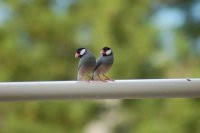
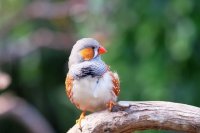
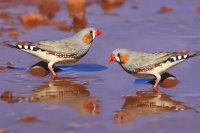
Finches, including zebra, Gouldian, and society varieties, are suited for owners who prefer observation over interaction. These birds are naturally skittish and find comfort in numbers, so keeping three to five together is recommended. A spacious flight cage becomes their primary exercise area, as they rarely tolerate handling.
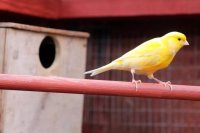
Canaries, native to the Macronesian islands, share a similar aversion to being held. Their appeal lies in vivid plumage and melodic songs, but they require a roomy flight cage and often need to be housed alone due to territorial behavior. With patient training, some canaries may learn to perch on a finger, but this is not guaranteed.
Interactive Species: Budgerigars and Parrotlets
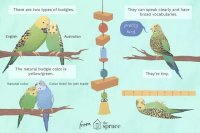
Budgerigars, commonly called budgies or parakeets, are small parrots known for their vibrant colors and ability to mimic speech. They are intelligent and need a steady supply of toys and social interaction to prevent boredom. If an owner's schedule limits time, a pair of budgies can keep each other company, reducing the risk of loneliness.
Parrotlets, often nicknamed “pocket parrots,” carry a bold personality despite their size. They demand attention and consistent handling; without it, they may develop a nippy habit. These active birds should spend several hours outside their cage daily to burn energy and stay mentally stimulated.
Gentle and Social: Bourke's Parakeets, Lovebirds, and Conures
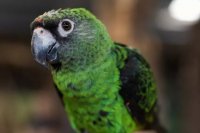
Bourke's parakeets, native to Australia, are known for their mellow demeanor. They bond closely with their owners and coexist peacefully with other non-aggressive birds like finches. However, their gentle nature makes them vulnerable to bullying by more assertive species, so tank mates must be chosen carefully. They require a few hours of out-of-cage exercise each day.
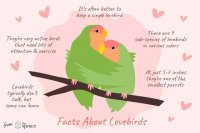
Lovebirds, true to their name, flourish in bonded pairs, though a single bird can bond deeply with a dedicated caretaker. They are vocal, emitting high-pitched chirps, and can develop behavioral problems like biting if neglected. Common pet species include Fischer's, black-masked, and peach-faced lovebirds.
Green-cheeked conures have gained popularity for their playful and affectionate nature. These South American natives are quick learners, often mastering tricks, but they need regular handling to avoid feather-picking from boredom. While they rarely talk, their engaging antics make up for it.
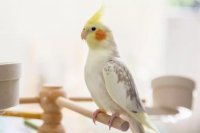
Cockatiels, also from Australia, are prized for their friendly and docile temperament when properly socialized. They are generally quiet but can become skilled whistlers. A single cockatiel thrives with ample attention, or a pair can provide mutual companionship.
For prospective owners, the key takeaway is to assess daily availability and tolerance for noise and handling. Each of these eight species offers a unique balance of traits, and matching those to an owner's lifestyle is the first step toward a rewarding avian partnership.