Society Finches as Pets: What Owners Should Know Before Buying
For bird enthusiasts who prefer a hands-off approach, society finches present an appealing alternative to more interactive pets. Unlike many avian companions, these small birds do not seek out human handling, but they offer a lively display of activity and soft vocalizations that can be enjoyed from a distance. Their care requirements, while not overly demanding, are specific enough that prospective owners should understand what they are taking on.
Society finches hold a unique place in the pet bird world: they are not found in the wild. This domesticated species was developed in Asia through the crossbreeding of sharp-tailed and munia finches, both of which inhabit grasslands and woodlands where they build domed grass nests. This captive origin means that society finches are adapted to life with humans, yet they retain many of the instincts of their wild ancestors.
Why Society Finches Are Not Cuddly Companions
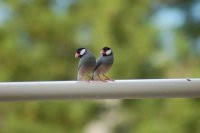
Their small size makes them delicate and easily startled, which is why they are not typically handled. They are not aggressive, and any bite is likely to be no more than a light peck. Their name comes from their social nature; they thrive when kept with at least one other finch, and they are known to be excellent breeders and attentive parents. A solitary finch is likely to become lonely and stressed, so owners should plan to house them in pairs or small groups.
In terms of vocalizations, society finches do not talk or scream. Instead, they produce a range of soft sounds, including beeps, chatter, and warbles, and they are known to sing. Their songs have a structured syntax that has made them a subject of laboratory studies on vocal learning. Typically, males sing more than females, though both are capable of vocalizing.
Color Variations and Housing Needs
Society finches come in a variety of colors and patterns, including chocolate brown, pied, fawn, chestnut, red-brown, white, crested, albino, dilute, creme-ino, pearl, and grey. Their beaks may be two-toned or flesh-colored. These variations are the result of selective breeding, adding to their appeal for those who enjoy observing subtle differences.
When it comes to housing, society finches need more than a simple cage. They require a flight cage or aviary with enough space to hop and fly, and the bar spacing must be narrow enough to prevent escape. A nest box or similar structure should be provided, as they like to sleep and cuddle together, even if breeding is not intended. Room temperatures are generally suitable, so no special heating is required.
Health Concerns and Dietary Needs
Finches are prone to certain health issues, particularly parasitic infections. Air sac mites (Sternostoma tracheacolum) can be life-threatening, as they live in the respiratory tract, while scaly face mites (Knemidokoptes pilae) cause scaly lesions on the skin. Both require veterinary treatment. Additionally, society finches may develop overgrown beaks and nails, which need regular trimming.
Diet is another critical aspect of care. While seeds are a common staple, a diet consisting only of seeds is not nutritionally complete. In the wild, finches eat a variety of foods, including fruits, flowers, and insects. A high-quality pelleted diet formulated for finches is recommended, supplemented with fresh fruits, vegetables, vitamins, spray millet, and cooked egg to ensure balanced nutrition.
Exercise is essential for these active birds. A safe, secure enclosure that allows for flight is necessary to keep them physically and mentally healthy. Owners should ensure the space is free from hazards and provides perches at different heights.
Society finches are relatively easy to acquire. They are commonly available at pet stores that sell birds, and they can also be found through bird rescues or from breeders. Their price is modest, typically under $30, making them an accessible option for those new to bird keeping.
For those considering a society finch, it is important to recognize that they are observational pets, not interactive ones. They offer a window into the natural behaviors of birds, from their social interactions to their melodic songs. With proper care, they can be a rewarding addition to a household that appreciates the quieter side of avian companionship.